
Introduction
Electric vehicles (EVs) have gained significant popularity in recent years as a greener and more sustainable alternative to traditional gasoline-powered cars. With advancements in technology, EVs have become more accessible and practical for everyday use. However, like any major purchase, there are pros and cons to consider before deciding to own an electric vehicle. In this article, we will explore the top advantages and disadvantages of owning an EV.
The Pros of Owning an Electric Vehicle
1. Environmental Benefits: One of the most compelling reasons to own an electric vehicle is its positive impact on the environment. EVs produce zero tailpipe emissions, reducing air pollution and greenhouse gas emissions. By choosing an electric vehicle, you contribute to a cleaner and healthier planet.
2. Cost Savings: While the upfront cost of an electric vehicle may be higher compared to a traditional car, the long-term cost savings can be significant. EVs have lower fuel and maintenance costs. Charging an EV is generally cheaper than refueling a gasoline car, and electric vehicles have fewer moving parts, resulting in reduced maintenance and repair expenses over time.
3. Energy Efficiency: Electric vehicles are more energy-efficient compared to internal combustion engine vehicles. EVs convert a higher percentage of the energy from their batteries to power the wheels, whereas gasoline cars waste a significant amount of energy as heat. This efficiency translates to better mileage and reduced energy consumption.
4. Government Incentives: Many governments offer incentives and tax credits to promote the adoption of electric vehicles. These incentives can include rebates, grants, and lower registration fees. Taking advantage of these benefits can help offset the initial cost of purchasing an electric vehicle.
5. Improved Driving Experience: Electric vehicles are known for their smooth and quiet operation. The instant torque provided by electric motors offers quick acceleration and a responsive driving experience. Additionally, EVs often have a lower center of gravity due to the battery placement, resulting in better handling and stability on the road.
The Cons of Owning an Electric Vehicle
1. Limited Range: One of the main concerns for EV owners is the limited driving range compared to traditional cars. Although the range of electric vehicles has improved significantly over the years, it is still essential to consider your daily driving habits and the availability of charging infrastructure in your area. Long trips may require more planning and potentially longer charging times.
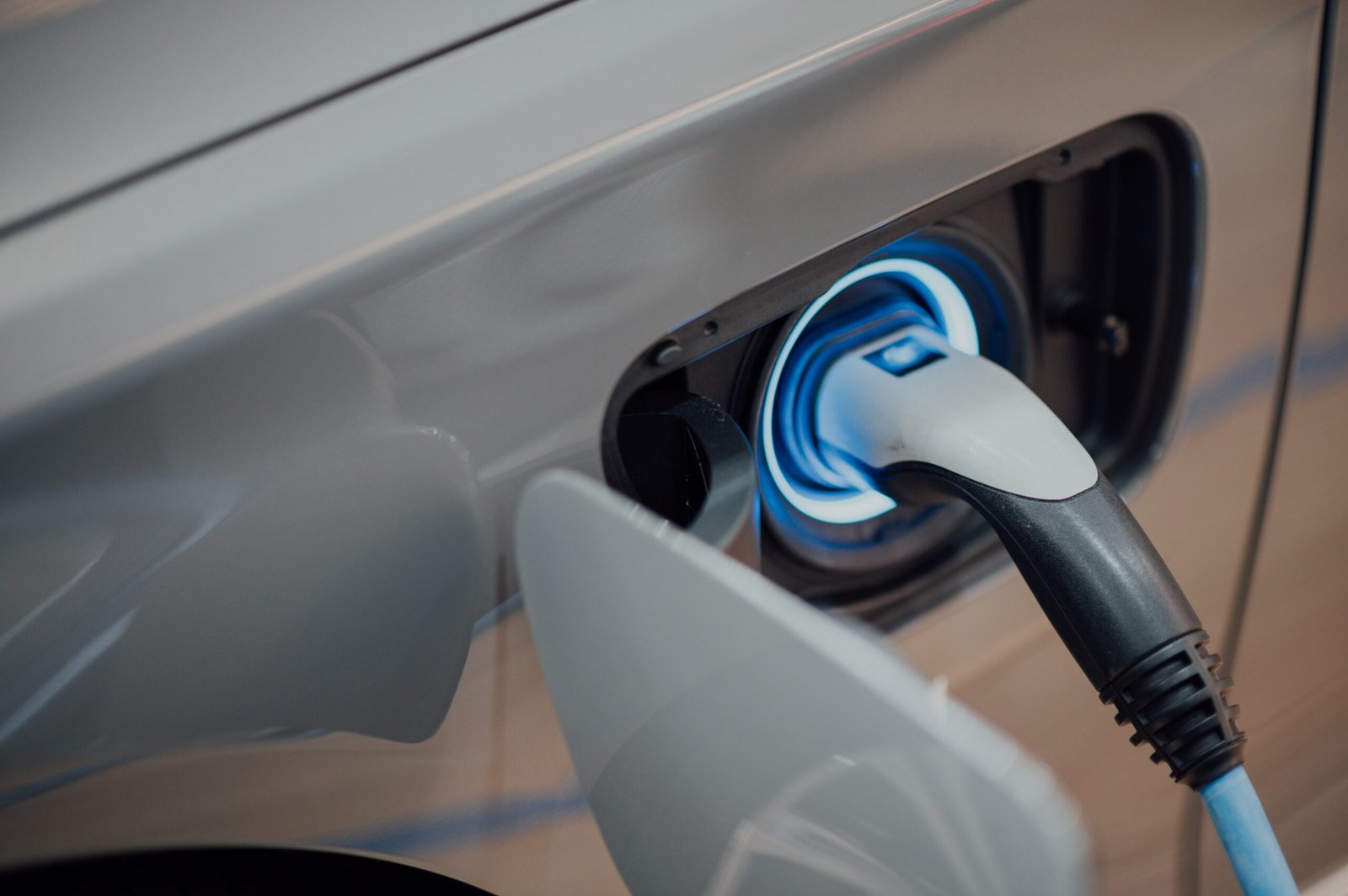
2. Charging Infrastructure: While the charging infrastructure for electric vehicles is expanding rapidly, it may still be less convenient compared to the widespread availability of gasoline stations. Depending on your location, finding a charging station may require some additional effort and planning. However, with the increasing number of public charging stations and the option to install a home charging station, this concern is gradually diminishing.
3. Longer Refueling Time: Charging an electric vehicle takes longer compared to refueling a gasoline car. While home charging can be done overnight, fast-charging stations are required for quick top-ups during long trips. However, advancements in fast-charging technology are reducing charging times, making it more convenient for EV owners.
4. Upfront Cost: Although the long-term cost savings are significant, the initial purchase price of an electric vehicle can be higher than that of a traditional car. However, as technology continues to evolve and demand increases, the cost of EVs is expected to decrease in the future.
5. Battery Life and Replacement Cost: The battery is a crucial component of an electric vehicle, and its lifespan can vary depending on usage and environmental conditions. While most manufacturers offer warranties on EV batteries, the cost of battery replacement can be expensive if it fails outside the warranty period. However, with advancements in battery technology, the lifespan and cost of EV batteries are improving.
Conclusion
Owning an electric vehicle comes with several advantages and disadvantages. The environmental benefits, cost savings, and improved driving experience make EVs an attractive option for many. However, the limited range, charging infrastructure, and upfront cost are some considerations to keep in mind. As technology continues to advance and the demand for electric vehicles grows, the drawbacks are being addressed, making EVs an increasingly viable and sustainable choice for transportation.
Before making a decision, it is essential to evaluate your specific needs, driving habits, and the available charging infrastructure in your area. Ultimately, the decision to own an electric vehicle should align with your values and contribute to a greener future.