Hike, Swim, Repeat: 6 Arizona Waterfalls to Cool Off In Arizona

Hike, Swim, Repeat: 6 Arizona Waterfalls to Cool Off In Arizona

Best Swimming Waterfalls to Visit in Arizona

When the summer sun is beating down and you need an escape from the Chandler heat, a standard backyard pool doesn't always cut it. Fortunately, the Grand Canyon State is hiding a secret: incredible, oasis-like waterfalls where you can actually take a refreshing plunge.

Whether you are packing up the RV for an extended road trip or just looking for a weekend day hike, these six Arizona waterfalls offer the ultimate natural cooldown.

1. Havasu Falls

Arguably the most famous waterfall in Arizona, Havasu Falls drops 100 feet into a stunning, bright turquoise pool. Located within the Grand Canyon on Havasupai tribal lands, this is not a casual day trip.

  • Location: Havasupai Reservation (Grand Canyon)
  • Hike Difficulty: Strenuous (10 miles each way)
  • Permit Required: Yes (Minimum three-night booking at the lodge or campground)

Pro Tip: Currents at the base of the falls can be strong, so make sure everyone in your group who wants to swim is a confident swimmer.

2. Fossil Creek Waterfall

If you are looking for crystal clear, mineral-rich blue water without the 10-mile trek, Fossil Creek in the Coconino National Forest is an incredible option. The waterfall itself is about 25 feet tall, pouring into a gorgeous swimming hole.

  • Location: Coconino National Forest
  • Hike Difficulty: Easy to Moderate (Depending on the trailhead)
  • Permit Required: Yes (Parking permit required between April 1 and October 1)

3. Water Wheel Falls

Tucked into the Tonto National Forest just a quick drive north of Payson, Water Wheel Falls is a fantastic family-friendly pick. The trail guides you past a scenic run of cascades and swimming holes that are relatively easy for most hikers to manage.

  • Location: 10 miles north of Payson
  • Hike Difficulty: Easy (About 1.5 miles round trip)
  • Permit Required: No (But an $8 day pass must be purchased along the road)

4. Mooney Falls

For the thrill-seekers, Mooney Falls is a breathtaking 200-foot waterfall located further downstream from Havasu Falls. Earning your swim here requires a nerve-wracking, cliffside ladder descent to reach the beautiful, wide pool at the bottom.

  • Location: Havasupai Reservation
  • Hike Difficulty: Strenuous/Technical (Requires navigating steep chains and ladders)
  • Permit Required: Yes (Included with your Havasupai reservation)

5. Seven Falls

Located within Tucson city limits in the beautiful Sabino Canyon, this trail weaves hikers through desert washes before arriving at a series of tiered waterfalls. When the water levels are high, especially after the rainy season, the falls cascade into clear, welcoming swimming pools.

  • Location: Santa Catalina Mountains, Tucson
  • Hike Difficulty: Moderate
  • Permit Required: No (Standard recreation fee for Sabino Canyon)

6. Slide Rock

If you want to enjoy the water at a slightly gentler pace, Slide Rock State Park is a classic Arizona staple. While the falls here are less dramatic and towering than others on this list, the smooth red rocks create a cool, refreshing natural water slide right outside of Sedona.

  • Location: Slide Rock State Park, Sedona
  • Hike Difficulty: Very Easy (Short walk from the parking area)
  • Permit Required: No (State Park entrance fee required)

Safety Reminder: Always pack plenty of drinking water, wear appropriate footwear for slick rocks, and remember to pack out all of your trash so these pristine areas stay beautiful for everyone. Swim safely, and enjoy the adventure!

Five Creative and Fun Things to Do with a 3D Printer

Five Creative and Fun Things to Do with a 3D Printer

Designing Custom Jewelry 💍

The advent of 3D printing technology has revolutionized the way we think about custom jewelry. Individuals can now design unique, personalized pieces such as rings, necklaces, and bracelets with ease using user-friendly 3D modeling software. This innovative approach allows for intricate and elaborate designs that were previously difficult to achieve through traditional jewelry-making methods.

One of the key advantages of using a 3D printer for jewelry making is the ability to showcase creativity without boundaries. The software enables users to experiment with various styles, shapes, and sizes, creating truly one-of-a-kind pieces that reflect their personality or commemorate special occasions. Furthermore, the precision of 3D printing allows for detailed features like filigree work or complex geometries that enhance the overall aesthetic of the jewelry.

When venturing into custom jewelry design, selecting suitable materials is critical. Common materials used in 3D printing for jewelry include plastics like PLA and resin, which can be easily colored and manipulated. For more durable and luxurious items, metals such as stainless steel and silver can be printed. It is essential to choose materials that not only align with the design but also provide the desired finish and quality for wearable pieces.

Additionally, aspiring jewelry designers should familiarize themselves with printing techniques such as selective laser sintering (SLS) or stereolithography (SLA), which cater to different design needs and material properties. Each method has its own strengths, allowing individuals to achieve the perfect look and feel for their custom jewelry creations.

In conclusion, designing custom jewelry with a 3D printer presents an exciting opportunity for personal expression. By leveraging advanced technology, anyone can translate their creative visions into tangible, wearable art that is uniquely theirs.

Prototyping New Inventions 💬

The advent of 3D printing technology has revolutionized the approach towards prototyping for inventors and entrepreneurs. This innovative process allows individuals to transform their ideas into tangible products rapidly and cost-effectively. The primary benefit of rapid prototyping using 3D printers is the ability to create a realistic model that can be tested and evaluated in real-time. This iterative process allows users to refine their designs based on practical feedback, ultimately leading to a more polished final product.

Cost-effectiveness is another significant advantage of utilizing 3D printing for prototypes. Traditional methods of prototyping often require substantial financial investments in materials, tools, and labor. In contrast, 3D printing enables the creation of prototypes with minimal material wastage. Inventors can produce parts that are accurate representations of their ideas without incurring the expenses typically associated with traditional manufacturing processes.

Several notable real-world innovations have emerged from the prototyping phase powered by 3D printing. For instance, many startup companies have used 3D printers to develop everything from custom consumer products to intricate medical devices. These prototypes allow entrepreneurs to fine-tune their designs before entering the market, significantly increasing their chances of success. By utilizing 3D printed prototypes, inventors can showcase their concepts to potential investors and stakeholders, often securing funding that can propel their projects forward.

In essence, the process of prototyping through 3D printing not only enhances creativity but also promotes efficiency in transforming ideas into reality. This technology empowers individuals to explore the boundaries of innovation, as the potential applications are virtually limitless. Entrepreneurs should embrace this method as a critical step in their invention journey, allowing their visions to take form with remarkable speed and accuracy.

Creating Functional Household Items 🍳

3D printing technology has revolutionized the way we approach home improvement and organization. With the capacity to design and print customized household items, individuals can now address everyday needs more effectively and creatively. One of the primary advantages of utilizing a 3D printer for household purposes is the ability to create specific items that suit individual preferences, sizes, and requirements.

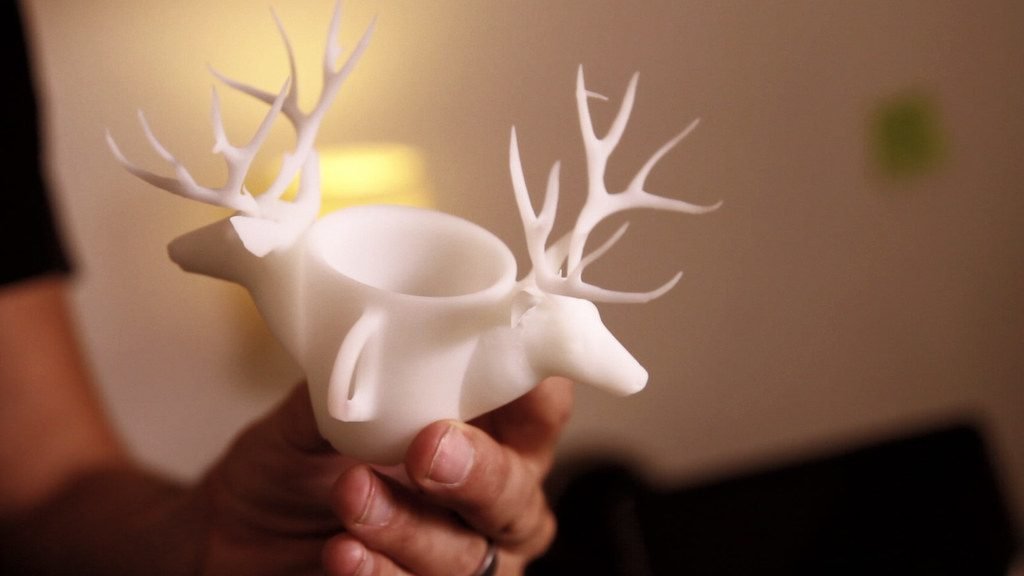
Consider the kitchen, which often presents various challenges regarding tool organization. With a 3D printer, users can produce uniquely designed kitchen gadgets such as measuring cups, spoons, and even custom holders for utensils. These items can be tailored to fit comfortably within the existing kitchen space and to match personal style, ultimately enhancing the user experience while cooking.

Beyond kitchen tools, 3D printing can also provide solutions for common household issues. For instance, one might need a replacement for a broken drawer handle or a specific shelf bracket that has gone out of stock. Instead of embarking on a lengthy search, a 3D printer allows the user to simply create the needed object right at home, saving both time and resources. The precision of 3D printing ensures that these replacements will fit seamlessly, maintaining the integrity of the overall household design.

Furthermore, organizational solutions can be tailored with 3D printing technology. Users can develop unique storage solutions, such as modular drawer dividers or cable organizers, specifically designed to manage clutter in a way that suits their living spaces. This personalized approach not only resolves practical issues but also adds aesthetic value to the home.

As the world embraces 3D printing continuing to innovate, individuals are encouraged to explore its potential for creating functional household items. This technology empowers users to rethink and resolve everyday challenges with pragmatic and customized solutions, elevating the functionality of their homes.

Transforming Learning Experiences with 3D Printing 🎓

3D printing technology is revolutionizing education by offering innovative tools that promote engagement and enhance learning for students across various disciplines. The ability to create tactile, 3D educational models serves as a powerful means to facilitate comprehension, making complex subjects more accessible to learners of all ages.

In the domain of biology, for instance, 3D printed anatomical models can significantly aid in visualizing and understanding the intricacies of the human body. Students can explore the structures of organs, muscles, and systems in a hands-on manner, moving beyond traditional textbooks. This approach can foster a deeper connection to the material, as learners can manipulate and study the printed models from various angles, enhancing their grasp of anatomy.

Similarly, in social studies, educators can utilize 3D printing to create replicas of historical artifacts, such as ancient pottery or tools used by early civilizations. By examining these tangible representations, students can better appreciate cultural contexts and historical significance. Engaging with 3D printed models allows learners to interact with history in a direct way, paving the path for enhanced retention of information and a richer educational experience.

Notably, mathematics education also benefits from 3D printing. Teachers can design geometric shapes that students can physically hold and manipulate, assisting in visualizing spatial relationships and formulas. This hands-on experience solidifies abstract concepts, making them more concrete and easier to understand, ultimately contributing to better mathematical reasoning.

In summary, the integration of 3D printed educational models into classroom frameworks represents a significant shift towards experiential learning. As educators increasingly embrace this technology, they unlock endless possibilities for innovative teaching methods that can adapt to diverse learning styles, thus better engaging students and fostering a more immersive educational environment.

Fun Landmarks and Toys for Kids 🚂

3D printing offers a unique opportunity for parents and hobbyists to create engaging toys and educational kits that can inspire creativity and imagination in children. By designing and printing custom toys, individuals can provide their children with one-of-a-kind play items that cater to their specific interests. From action figures based on favorite characters to personalized puzzles, the versatility of 3D printing opens the door to endless possibilities.

One popular project for family bonding is to create miniature landmarks. Kids can engage in educational play by printing famous monuments from around the world such as the Eiffel Tower or the Great Pyramid. This not only serves as a fun toy but also presents a chance for children to learn about geography and history through hands-on engagement. Discussing the significance of each landmark can foster meaningful conversations and further enhance their understanding of the world.

Additionally, parents can design and print game pieces for board games, creating a personalized set that reflects their children’s interests. Custom components can transform traditional games into new adventures, encouraging kids to invent their own rules and challenges. Such creativity not only keeps children entertained but also promotes cognitive development through strategic thinking and problem solving.

Educational kits utilizing 3D printing can provide unique ways for children to learn through play. For instance, a kit that involves assembling a 3D-printed model of the solar system can spark interest in astronomy. In a similar vein, constructing intricate mechanical models using printed parts can teach fundamental engineering principles. These interactive projects not only promote hands-on learning but also strengthen fine motor skills.

Ultimately, integrating 3D printed toys into playtime can effectively encourage imagination and exploration in children. These creative efforts enable parents to cultivate a playful learning environment filled with endless possibilities.


5 Must-See Stops on the Drive from Phoenix to Los Angeles

5 Must-See Stops on the Drive from Phoenix to Los Angeles

The drive from Phoenix to Los Angeles is one of the Southwest’s most popular road trips. While many travelers simply race down Interstate 10 to reach the California coast, taking a few extra hours to explore along the way can transform an ordinary drive into an unforgettable adventure. Whether you’re traveling for business, heading to the beach, or starting an RV vacation, here are five must-see stops between Phoenix and Los Angeles.

1. Joshua Tree National Park

Just a short detour off Interstate 10, Joshua Tree National Park is famous for its unique desert landscapes, giant boulder formations, and the iconic Joshua trees found nowhere else in the world.

Visitors can enjoy:

  • Scenic drives through the park
  • Short hiking trails for all skill levels
  • Incredible rock formations
  • Some of the best stargazing in the United States

Even if you only have an hour, driving through the park is well worth the visit.


2. Cabazon Dinosaurs

You can’t miss them—literally. The giant dinosaur sculptures in Cabazon have been delighting road trippers since the 1960s.

Highlights include:

  • The massive T-Rex and Brontosaurus
  • Fun photo opportunities
  • Dinosaur exhibits
  • A quirky roadside attraction that’s perfect for families

It’s one of those classic Route 66-style attractions that has become an icon of Southern California road trips.


3. Palm Springs

Palm Springs offers a relaxing break from the highway with beautiful mountain views, upscale shopping, and outstanding restaurants.

Don’t miss:

  • Palm Canyon Drive
  • Mid-century modern architecture
  • Local art galleries
  • Boutique shopping
  • Outdoor cafés

If you have extra time, ride the Palm Springs Aerial Tramway, which climbs over 8,500 feet into the San Jacinto Mountains for spectacular views and dramatically cooler temperatures.


4. Desert Hills Premium Outlets

Located next to Cabazon, Desert Hills Premium Outlets is one of the best outlet shopping destinations in the country.

You’ll find savings on brands like:

  • Nike
  • Coach
  • Adidas
  • Michael Kors
  • Polo Ralph Lauren
  • Tory Burch
  • Versace
  • Gucci

Even if shopping isn’t your primary goal, it’s a great place to stretch your legs, grab lunch, and browse hundreds of stores before continuing toward Los Angeles.


5. Whitewater Preserve

Only a few minutes off Interstate 10, Whitewater Preserve is one of Southern California’s hidden gems.

This peaceful nature preserve features:

  • Crystal-clear streams
  • Beautiful desert scenery
  • Easy hiking trails
  • Excellent bird watching
  • Picnic areas

It’s an unexpected oasis that offers a refreshing break from the desert drive and is much quieter than many of the area’s larger attractions.


Tips for the Drive

  • Distance: Approximately 370 miles
  • Driving Time: About 5½ to 6½ hours without stops
  • Best Time to Travel: Fall through spring offers the most comfortable temperatures.
  • Fuel Up Early: Services become less frequent in parts of the California desert.
  • Stay Hydrated: Desert temperatures can exceed 110°F during the summer months.

Make the Journey Part of the Adventure

The drive from Phoenix to Los Angeles doesn’t have to be just about getting from point A to point B. By adding a few memorable stops, you’ll experience incredible desert landscapes, quirky roadside attractions, world-class shopping, and unique outdoor adventures that make this one of the Southwest’s best road trips.

So next time you’re heading west, skip the rush and enjoy the journey. You might discover that the drive becomes one of the highlights of your trip.

Why I Live in Arizona Even Though It’s So Unbearably Hot

Why I Live in Arizona Even Though It’s So Unbearably Hot

People ask me all the time why I continue to live in Arizona. Usually, they’re asking while standing in the shade, clutching a bottle of water, and trying not to make direct eye contact with the sun.

It’s a fair question.

Every summer, Arizona transforms into what can best be described as the world’s largest air fryer. The weather forecast stops being useful because every day is just some variation of “hot enough to question your life choices.” At 115 degrees, the distinction between 115 and 118 becomes meaningless. That’s like arguing whether you’re being roasted or broiled.

Yet somehow, I stay.

Part of it is because Arizona spoils you for the other nine months of the year. While the rest of the country is scraping ice off windshields, shoveling snow, or trying to figure out which jacket is appropriate for the day’s weather mood swings, I’m sitting outside in January wearing shorts and wondering if I should grab a light sweatshirt because it’s a chilly 68 degrees.

Another reason is that Arizona has taught me resilience. For example, I can now determine the temperature of pavement simply by looking at it. I know that steering wheels are not to be touched without protective equipment between June and September. I also know that if someone says, “It’s a dry heat,” they are either an Arizona resident or someone suffering from mild heat-induced confusion.

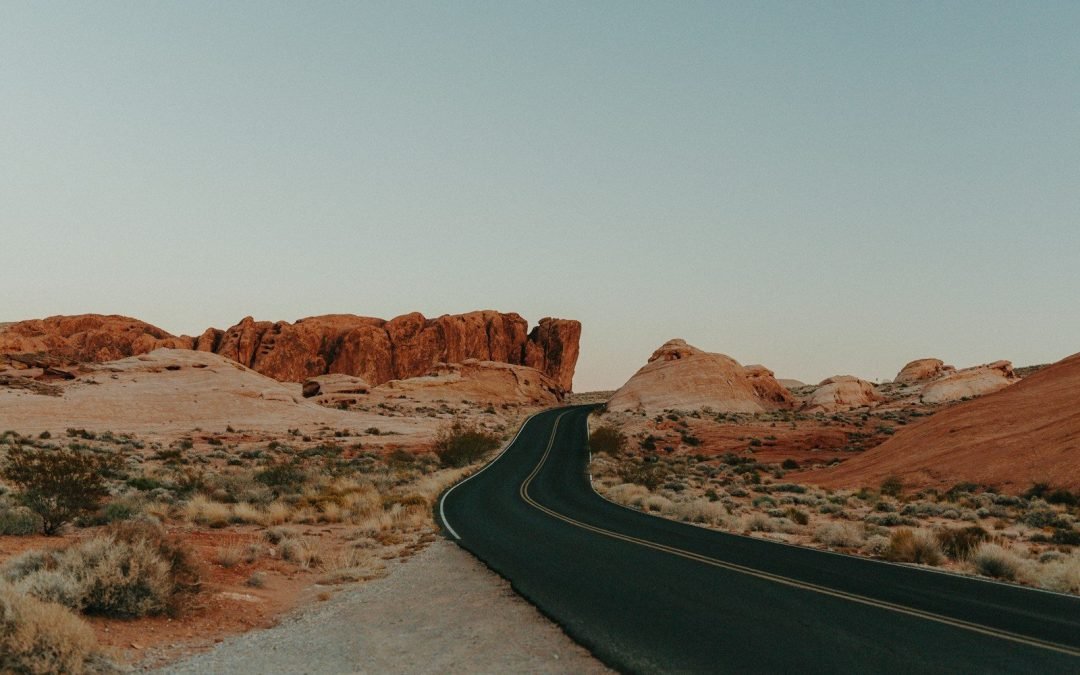
Then there are the sunsets. Arizona sunsets are so spectacular they almost make you forget that your car’s dashboard could double as a pizza oven. Almost.

And let’s not overlook the practical benefits. We don’t have to worry much about rust. We don’t shovel snow. We rarely cancel plans because of weather. In fact, when it rains, half the state goes outside just to witness the rare and magical event.

Of course, Arizona residents develop certain habits. We park based on shade availability, not proximity. We celebrate cloudy days like national holidays. We sprint from air-conditioned building to air-conditioned building like we’re crossing enemy territory. And we proudly tell visitors, “You’ll get used to it,” even though deep down we know nobody ever truly gets used to stepping outside and feeling like they’ve opened the door to a preheated oven.

So why do I live in Arizona?

Because despite the heat, it’s beautiful. Because the winters are amazing. Because the desert has a unique charm. And because after surviving another Arizona summer, I get to spend the rest of the year reminding everyone else that while they’re freezing, I’m golfing, biking, grilling, or sitting on the patio enjoying perfect weather.

Besides, moving sounds exhausting, and it’s too hot to pack.

Why Labrador Retrievers are the Best Dogs in the World

Why Labrador Retrievers are the Best Dogs in the World

The Labrador Retriever Charm

If you’re on a quest to find man’s best friend, look no further than the lovable Labrador Retriever. Known for their friendly demeanor and boundless energy, Labradors possess a unique charm that makes them truly special. Whether it's their wagging tails or eager-to-please attitude, they seem to know just how to brighten your day!

Unmatched Loyalty and Companionship

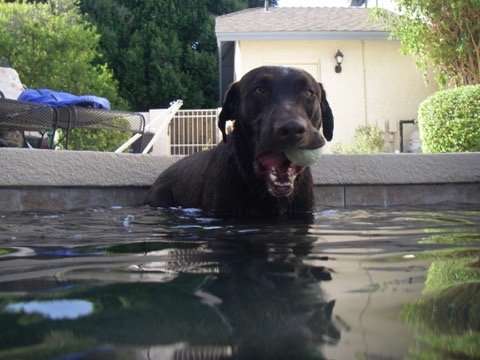
One of the top reasons why Labradors are often considered the best dogs in the world is their unwavering loyalty. They become fully integrated members of the family, exhibiting a knack for sensing when you need a cuddle or an adventure. From playing fetch at the park to snuggling on the couch, Labradors are always ready to lend a paw.

Intelligence and Trainability

Another incredible quality of Labradors is their intelligence. They are exceptionally trainable, making them perfect companions for families and singles alike. Whether you want a dog to accompany you on long runs or skillfully fetch your slippers (that might be wishful thinking!), Labradors can be taught to master a variety of commands. Their eagerness to learn makes training sessions fun and rewarding.

In summary, if you’re considering adding a furry friend to your life, you won't go wrong with a Labrador Retriever. Their charming personality, loyalty, and intelligence make them the best dogs in the world. So go ahead, embrace the adventure with a Labrador by your side! Who knows? You might find a new best friend!