
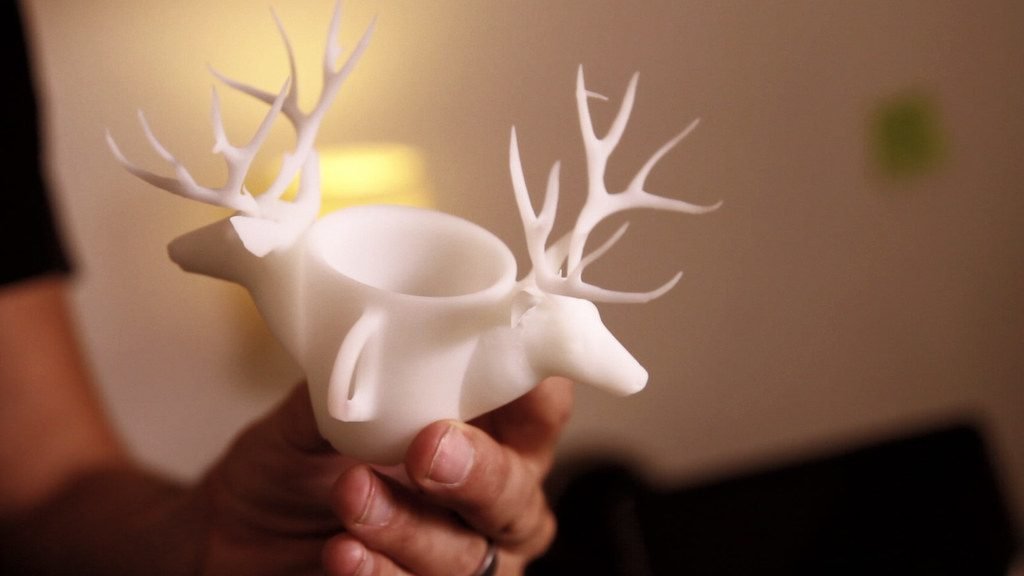
Designing Custom Jewelry 💍
The advent of 3D printing technology has revolutionized the way we think about custom jewelry. Individuals can now design unique, personalized pieces such as rings, necklaces, and bracelets with ease using user-friendly 3D modeling software. This innovative approach allows for intricate and elaborate designs that were previously difficult to achieve through traditional jewelry-making methods.
One of the key advantages of using a 3D printer for jewelry making is the ability to showcase creativity without boundaries. The software enables users to experiment with various styles, shapes, and sizes, creating truly one-of-a-kind pieces that reflect their personality or commemorate special occasions. Furthermore, the precision of 3D printing allows for detailed features like filigree work or complex geometries that enhance the overall aesthetic of the jewelry.
When venturing into custom jewelry design, selecting suitable materials is critical. Common materials used in 3D printing for jewelry include plastics like PLA and resin, which can be easily colored and manipulated. For more durable and luxurious items, metals such as stainless steel and silver can be printed. It is essential to choose materials that not only align with the design but also provide the desired finish and quality for wearable pieces.
Additionally, aspiring jewelry designers should familiarize themselves with printing techniques such as selective laser sintering (SLS) or stereolithography (SLA), which cater to different design needs and material properties. Each method has its own strengths, allowing individuals to achieve the perfect look and feel for their custom jewelry creations.
In conclusion, designing custom jewelry with a 3D printer presents an exciting opportunity for personal expression. By leveraging advanced technology, anyone can translate their creative visions into tangible, wearable art that is uniquely theirs.
Prototyping New Inventions 💬
The advent of 3D printing technology has revolutionized the approach towards prototyping for inventors and entrepreneurs. This innovative process allows individuals to transform their ideas into tangible products rapidly and cost-effectively. The primary benefit of rapid prototyping using 3D printers is the ability to create a realistic model that can be tested and evaluated in real-time. This iterative process allows users to refine their designs based on practical feedback, ultimately leading to a more polished final product.
Cost-effectiveness is another significant advantage of utilizing 3D printing for prototypes. Traditional methods of prototyping often require substantial financial investments in materials, tools, and labor. In contrast, 3D printing enables the creation of prototypes with minimal material wastage. Inventors can produce parts that are accurate representations of their ideas without incurring the expenses typically associated with traditional manufacturing processes.
Several notable real-world innovations have emerged from the prototyping phase powered by 3D printing. For instance, many startup companies have used 3D printers to develop everything from custom consumer products to intricate medical devices. These prototypes allow entrepreneurs to fine-tune their designs before entering the market, significantly increasing their chances of success. By utilizing 3D printed prototypes, inventors can showcase their concepts to potential investors and stakeholders, often securing funding that can propel their projects forward.
In essence, the process of prototyping through 3D printing not only enhances creativity but also promotes efficiency in transforming ideas into reality. This technology empowers individuals to explore the boundaries of innovation, as the potential applications are virtually limitless. Entrepreneurs should embrace this method as a critical step in their invention journey, allowing their visions to take form with remarkable speed and accuracy.
Creating Functional Household Items 🍳
3D printing technology has revolutionized the way we approach home improvement and organization. With the capacity to design and print customized household items, individuals can now address everyday needs more effectively and creatively. One of the primary advantages of utilizing a 3D printer for household purposes is the ability to create specific items that suit individual preferences, sizes, and requirements.
Consider the kitchen, which often presents various challenges regarding tool organization. With a 3D printer, users can produce uniquely designed kitchen gadgets such as measuring cups, spoons, and even custom holders for utensils. These items can be tailored to fit comfortably within the existing kitchen space and to match personal style, ultimately enhancing the user experience while cooking.
Beyond kitchen tools, 3D printing can also provide solutions for common household issues. For instance, one might need a replacement for a broken drawer handle or a specific shelf bracket that has gone out of stock. Instead of embarking on a lengthy search, a 3D printer allows the user to simply create the needed object right at home, saving both time and resources. The precision of 3D printing ensures that these replacements will fit seamlessly, maintaining the integrity of the overall household design.
Furthermore, organizational solutions can be tailored with 3D printing technology. Users can develop unique storage solutions, such as modular drawer dividers or cable organizers, specifically designed to manage clutter in a way that suits their living spaces. This personalized approach not only resolves practical issues but also adds aesthetic value to the home.
As the world embraces 3D printing continuing to innovate, individuals are encouraged to explore its potential for creating functional household items. This technology empowers users to rethink and resolve everyday challenges with pragmatic and customized solutions, elevating the functionality of their homes.
Transforming Learning Experiences with 3D Printing 🎓
3D printing technology is revolutionizing education by offering innovative tools that promote engagement and enhance learning for students across various disciplines. The ability to create tactile, 3D educational models serves as a powerful means to facilitate comprehension, making complex subjects more accessible to learners of all ages.
In the domain of biology, for instance, 3D printed anatomical models can significantly aid in visualizing and understanding the intricacies of the human body. Students can explore the structures of organs, muscles, and systems in a hands-on manner, moving beyond traditional textbooks. This approach can foster a deeper connection to the material, as learners can manipulate and study the printed models from various angles, enhancing their grasp of anatomy.
Similarly, in social studies, educators can utilize 3D printing to create replicas of historical artifacts, such as ancient pottery or tools used by early civilizations. By examining these tangible representations, students can better appreciate cultural contexts and historical significance. Engaging with 3D printed models allows learners to interact with history in a direct way, paving the path for enhanced retention of information and a richer educational experience.
Notably, mathematics education also benefits from 3D printing. Teachers can design geometric shapes that students can physically hold and manipulate, assisting in visualizing spatial relationships and formulas. This hands-on experience solidifies abstract concepts, making them more concrete and easier to understand, ultimately contributing to better mathematical reasoning.
In summary, the integration of 3D printed educational models into classroom frameworks represents a significant shift towards experiential learning. As educators increasingly embrace this technology, they unlock endless possibilities for innovative teaching methods that can adapt to diverse learning styles, thus better engaging students and fostering a more immersive educational environment.
Fun Landmarks and Toys for Kids 🚂
3D printing offers a unique opportunity for parents and hobbyists to create engaging toys and educational kits that can inspire creativity and imagination in children. By designing and printing custom toys, individuals can provide their children with one-of-a-kind play items that cater to their specific interests. From action figures based on favorite characters to personalized puzzles, the versatility of 3D printing opens the door to endless possibilities.
One popular project for family bonding is to create miniature landmarks. Kids can engage in educational play by printing famous monuments from around the world such as the Eiffel Tower or the Great Pyramid. This not only serves as a fun toy but also presents a chance for children to learn about geography and history through hands-on engagement. Discussing the significance of each landmark can foster meaningful conversations and further enhance their understanding of the world.
Additionally, parents can design and print game pieces for board games, creating a personalized set that reflects their children’s interests. Custom components can transform traditional games into new adventures, encouraging kids to invent their own rules and challenges. Such creativity not only keeps children entertained but also promotes cognitive development through strategic thinking and problem solving.
Educational kits utilizing 3D printing can provide unique ways for children to learn through play. For instance, a kit that involves assembling a 3D-printed model of the solar system can spark interest in astronomy. In a similar vein, constructing intricate mechanical models using printed parts can teach fundamental engineering principles. These interactive projects not only promote hands-on learning but also strengthen fine motor skills.
Ultimately, integrating 3D printed toys into playtime can effectively encourage imagination and exploration in children. These creative efforts enable parents to cultivate a playful learning environment filled with endless possibilities.