
by Chris D | Jun 17, 2026 | Blog, in Arizona
People ask me all the time why I continue to live in Arizona. Usually, they’re asking while standing in the shade, clutching a bottle of water, and trying not to make direct eye contact with the sun.
It’s a fair question.
Every summer, Arizona transforms into what can best be described as the world’s largest air fryer. The weather forecast stops being useful because every day is just some variation of “hot enough to question your life choices.” At 115 degrees, the distinction between 115 and 118 becomes meaningless. That’s like arguing whether you’re being roasted or broiled.
Yet somehow, I stay.
Part of it is because Arizona spoils you for the other nine months of the year. While the rest of the country is scraping ice off windshields, shoveling snow, or trying to figure out which jacket is appropriate for the day’s weather mood swings, I’m sitting outside in January wearing shorts and wondering if I should grab a light sweatshirt because it’s a chilly 68 degrees.
Another reason is that Arizona has taught me resilience. For example, I can now determine the temperature of pavement simply by looking at it. I know that steering wheels are not to be touched without protective equipment between June and September. I also know that if someone says, “It’s a dry heat,” they are either an Arizona resident or someone suffering from mild heat-induced confusion.
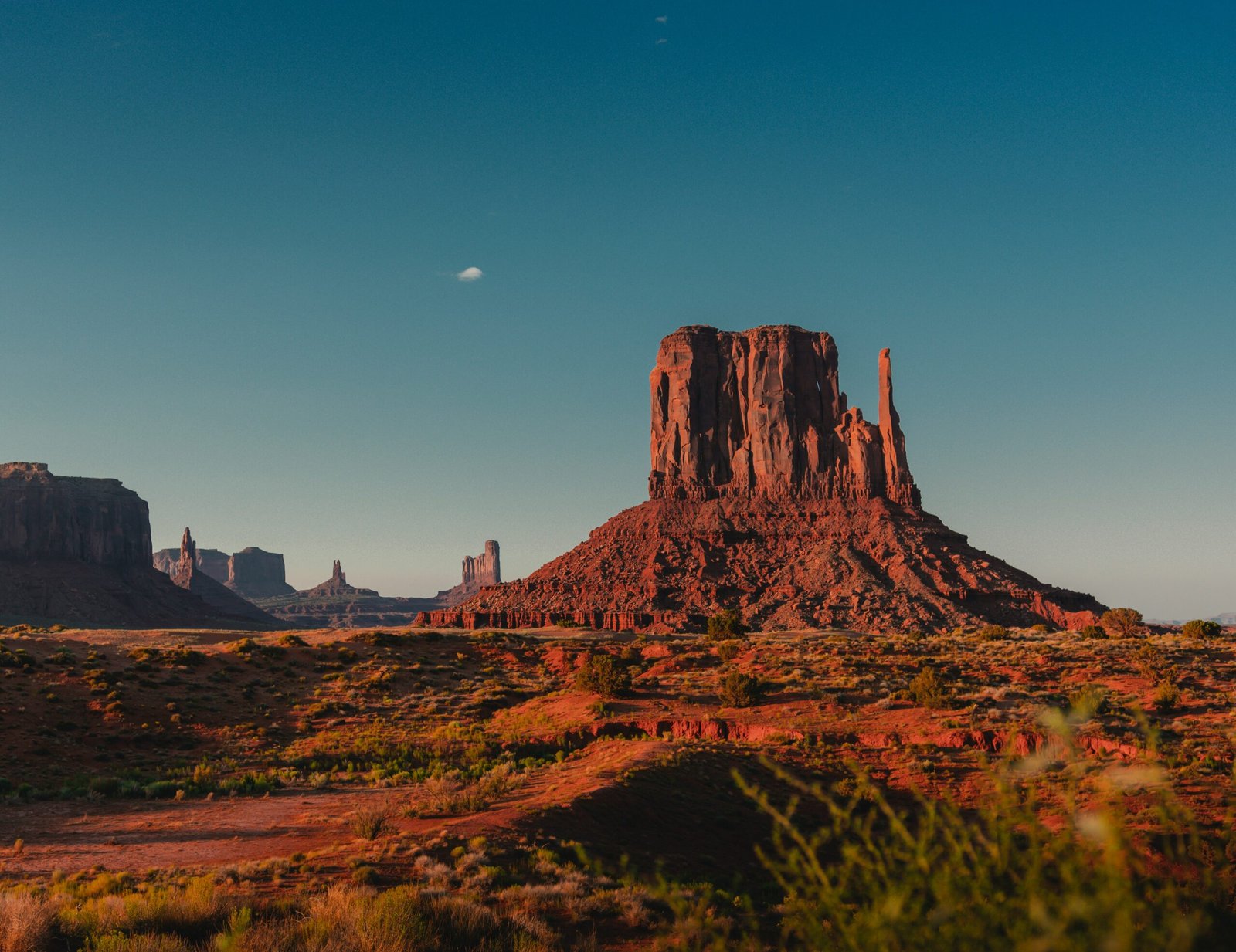
Then there are the sunsets. Arizona sunsets are so spectacular they almost make you forget that your car’s dashboard could double as a pizza oven. Almost.
And let’s not overlook the practical benefits. We don’t have to worry much about rust. We don’t shovel snow. We rarely cancel plans because of weather. In fact, when it rains, half the state goes outside just to witness the rare and magical event.
Of course, Arizona residents develop certain habits. We park based on shade availability, not proximity. We celebrate cloudy days like national holidays. We sprint from air-conditioned building to air-conditioned building like we’re crossing enemy territory. And we proudly tell visitors, “You’ll get used to it,” even though deep down we know nobody ever truly gets used to stepping outside and feeling like they’ve opened the door to a preheated oven.
So why do I live in Arizona?
Because despite the heat, it’s beautiful. Because the winters are amazing. Because the desert has a unique charm. And because after surviving another Arizona summer, I get to spend the rest of the year reminding everyone else that while they’re freezing, I’m golfing, biking, grilling, or sitting on the patio enjoying perfect weather.
Besides, moving sounds exhausting, and it’s too hot to pack.
by Chris D | May 8, 2024 | Weather
Why People in Arizona Say "It's a Dry Heat"
Living in Arizona is a unique experience. It's a place where the sun shines relentlessly, the cacti thrive, and people have a peculiar way of justifying their choice to live in an oven-like state. Yes, I'm talking about the infamous phrase: "It's a dry heat." Now, you might be wondering why on earth anyone would feel the need to defend the scorching temperatures. Well, my friend, let me enlighten you.
The Oven Analogy
Imagine stepping into a sauna, but instead of steam, it's a blast of dry, hot air hitting you square in the face. It's like opening the oven door without the pleasure of a freshly baked batch of cookies waiting for you. In Arizona, the heat is so intense that it feels like Mother Nature herself is holding a magnifying glass over the state, focusing the sun's rays on unsuspecting Arizonans.
So, when people say "it's a dry heat," what they really mean is that it's a heat that will make you question all your life choices. It's the kind of heat that turns your car into a mobile oven and makes you consider taking up residence in your freezer. But hey, at least it's not humid, right?
The Hair Dilemma
Living in a dry heat isn't just about the temperature; it's also about the havoc it wreaks on your hair. Ladies and gentlemen, let me introduce you to the phenomenon known as the "Arizona blowout." You see, the lack of humidity in the air turns your luscious locks into a frizzy mess. It's like your hair is auditioning for a role in a '80s music video, but without the fun dance moves.
So, when someone tells you "it's a dry heat," they're also subtly warning you about the state of their hair. It's a cry for help, a plea for understanding. They're saying, "Yes, my hair looks like a tumbleweed, but at least I'm not sweating buckets like those poor souls in humid climates."
The Melting Point
Have you ever seen a person melt? No? Well, come to Arizona during the summer, and you might just witness this rare phenomenon. The extreme heat turns people into human puddles, slowly dripping their way through the day. It's like watching a Salvador Dali painting come to life, but with less mustaches and more sweat stains.
When Arizonans say "it's a dry heat," they're not justifying the temperature; they're warning you about the potential risk of becoming a melted mess. It's a way of saying, "Be prepared to see people who resemble wax figures left out in the sun for too long. Don't worry; we're used to it."
Embracing the Heat
Despite all the complaints and quirky justifications, there's something strangely endearing about the way Arizonans embrace the heat. It's like a badge of honor, a testament to their resilience. They endure blistering summers with a smile (or at least a slightly less grumpy frown).
So, the next time you hear someone from Arizona say "it's a dry heat," remember that it's not just a weather report. It's a state of mind, a way of life. It's a reminder that even in the face of extreme temperatures, there's always room for a little humor and a lot of sunscreen.
And if you ever find yourself in Arizona during the summer, just remember to stay hydrated, wear loose-fitting clothes, and have a witty comeback ready for when someone says, "It's a dry heat."
